
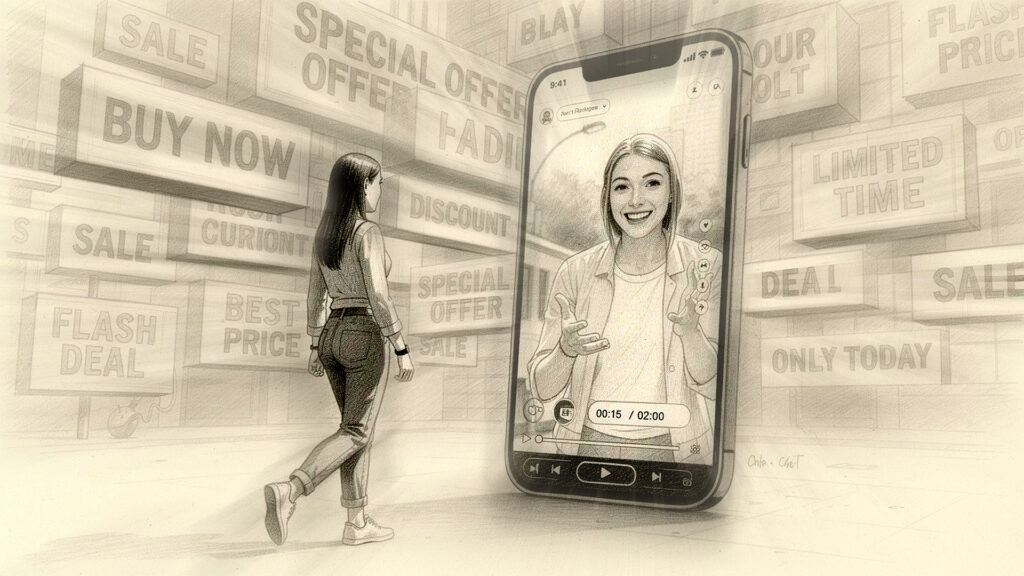
Ten years ago, social media looked very different.
Brands posted long captions, promotional graphics, and text-heavy announcements. Engagement was polite at best. A few likes here. A comment there. Then something shifted.
People stopped scrolling for information and started scrolling for connection.
And that’s where video changed everything.
The Moment Businesses Became Human Again
Somewhere around the late 2010s, audiences grew tired of polished ads and corporate language. They didn’t want to be “marketed to” anymore. They wanted to see the people behind the brand.
Suddenly, the posts that performed best weren’t perfectly designed banners. They were simple videos:
- A founder explaining why they started the business
- A chef talking about their obsession with ingredients
- A craftsman showing how something is made
- A business owner sharing a mistake they learned from
These videos didn’t feel like ads. They felt like conversations.
And the platforms noticed.
Social media algorithms began prioritising video because users stayed longer, engaged more, and shared more. The longer people watched, the more platforms rewarded those creators with reach. Video wasn’t just another format anymore – it became the main stage.
Why Video Works When Text Falls Flat
There’s a simple truth about human behaviour: we remember stories, not bullet points.
When someone reads text, only a small portion of the message sticks. But when they see a face, hear emotion in a voice, and watch body language, the message becomes real. Video activates multiple senses at once – sight, sound, emotion – and that’s why people retain dramatically more information from video than from text alone.
It’s also why a business owner speaking directly to the camera often outperforms a beautifully designed graphic.
From Selling to Storytelling
The biggest shift over the past decade isn’t just the rise of video, it’s how businesses use it.
The highest-performing videos today rarely shout discounts or push aggressive sales messages. Instead, they answer deeper questions:
- Why does this business exist?
- How is this product actually made?
- What problem does this solve for real people?
- What does the team care about?
Audiences reward honesty. They reward passion. They reward transparency.
A founder explaining their mission will almost always outperform a scripted ad reading out features and prices. People want to buy from people they understand and video is the fastest way to build that understanding.
The Numbers Back Up the Feeling
While the emotional shift is obvious, the data tells the same story.
Over the past decade:
- Video engagement has consistently outperformed static and text posts
- Businesses using video report higher leads, conversions, and return on investment
- Short-form video now delivers some of the highest ROI in digital marketing
- Over 90% of brands globally now use video as a core marketing tool
This isn’t a trend anymore. It’s the new default.
What This Means for Your Business
You don’t need studio lights, viral dances, or complicated production. What you need is clarity and honesty. Your audience wants to know:
- Why you started
- What problem you’re obsessed with solving
- What makes your approach different
- Why you actually care
When you show up on camera and speak about your work with genuine passion, something powerful happens: people stop scrolling and start listening. They don’t just see a product. They see a person they can relate to.
The Future Is Already Here
As platforms continue to prioritise short-form video, live content, and authentic creator-style posts, the gap between video and static content will only widen.
But this isn’t bad news for small businesses. It’s an opportunity.
For the first time in marketing history, you don’t need a massive ad budget to compete. You just need a phone, a story, and the courage to show up as yourself.
Because in a world full of noise, the most powerful marketing tool isn’t louder advertising. It’s human connection.
jf62dy