
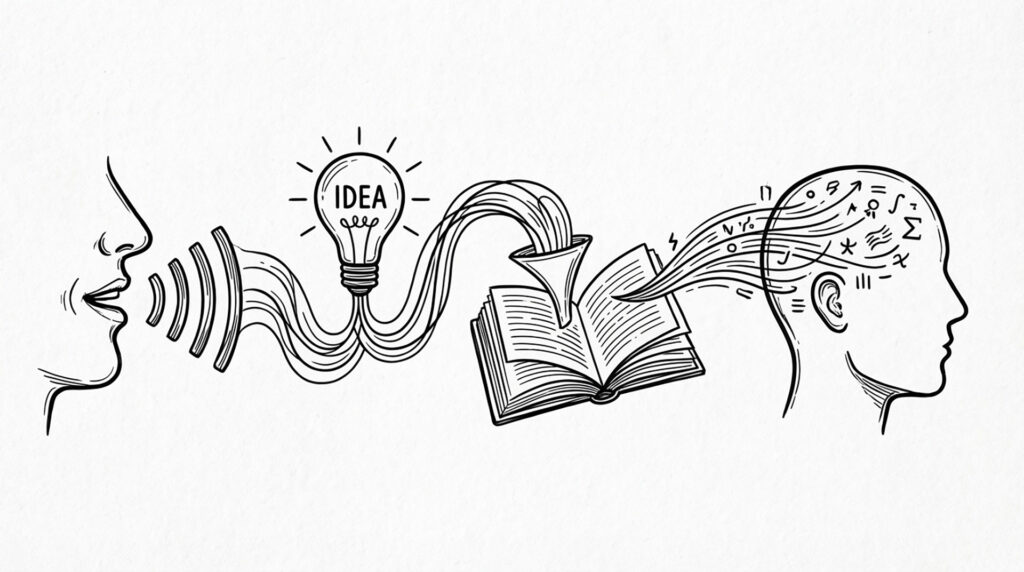
People don’t buy products. They buy the story they believe about the product.
Long before features, specs, or price come into play, something quieter happens in the buyer’s mind: meaning is formed. A product becomes a symbol of success, safety, belonging, creativity, and freedom. As Seth Godin famously puts it, “People don’t buy goods and services. They buy relations, stories and magic.” The product is just the vessel. The story is what gives it value.
When someone chooses one brand over another, they’re not making a purely rational decision. They’re buying into a narrative they’ve already accepted as true: this brand understands me, this is for people like me, this is who I want to be. That story often exists before the transaction – shaped by language, visuals, reputation, and emotion.
Storytelling is not new. It’s the oldest form of persuasion humanity has. Long before writing, advertising or algorithms, stories were how knowledge survived. Around fires, through myths, parables and shared experiences, stories carried values, warnings and aspirations from one generation to the next. We are wired to listen, remember and repeat them. That’s why stories spread – and why word-of-mouth has always been the most powerful form of marketing.
Today, social media has become the modern campfire.
This is where real video storytelling becomes so powerful. When the person behind the product speaks – unscripted, human, imperfect – the story gains credibility. Faces build trust. Voices create connection. Viewers don’t just hear what you sell; they understand why you care. Authentic video collapses distance and invites belief.
In a world flooded with polished ads, real stories stand out. They’re shared not because they’re clever, but because they’re relatable. People don’t forward products. They forward stories that made them feel something – and in doing so, they become part of the narrative themselves.
That’s the quiet power of storytelling: it doesn’t push. It spreads.